Skip to content
MaritimeTest

LNG Tanker

CES Deck Management LNG Tanker 153 questions

First 5 of 153 questions — with answers

The correct answer is marked. Unlock the rest to study the whole test, online or offline.

  1. Question 1

    Code: QNBj9DmzAccording to rule 12 of the International Regulations for Preventing Collisions, in the situation illustrated, which sailing vessel (A or B) must keep out of the way of the other?
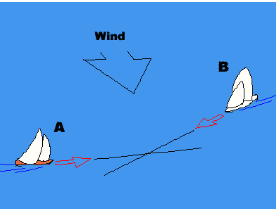
    Code: QNBj9DmzAccording to rule 12 of the International Regulations for Preventing Collisions, in the situation illustra
    • Sailing vessel A must keep out of the way of sailing vessel B.
    • Sailing vessel B must keep out of the way of sailing vessel A.
    • Both vessels must keep out of each other's way.
    • Neither vessel is required to give way.
  2. Question 2

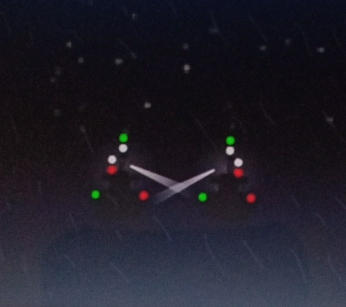
    Code: ss0PHzY2 According to Rule 26 of the International Regulations for Preventing Collisions and the illustrated lights, what type of vessels are they?
    Code: ss0PHzY2 According to Rule 26 of the International Regulations for Preventing Collisions and the illustrated light
    • These are two vessels engaged in sailing, showing the standard navigation lights.
    • These are two vessels engaged in fishing (pair trawling), showing the additional voluntary signals for hauling nets.
    • These are two vessels engaged in cargo transport, displaying the signals for restricted maneuverability.
    • These are two vessels engaged in recreational boating, showing the lights for power-driven vessels.
  3. Question 3

    Code: lVutvfSu What factors should influence the speed set on a vessel when connecting up a tug?
    • The weather conditions and the time of day.
    • The type of tug and its desired position on the vessel.
    • The size of the vessel and the number of crew members on board.
    • The destination port and the expected arrival time.
  4. Question 4

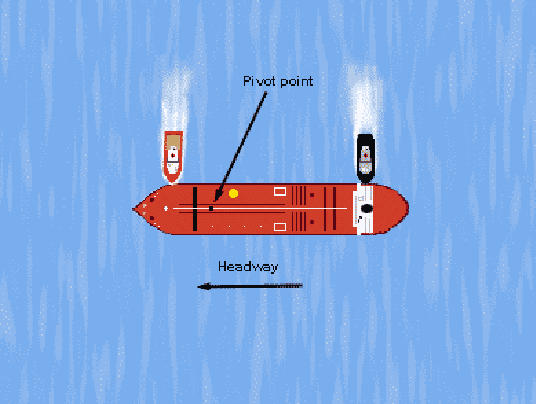
    Code: p5skfidQ In the situation illustrated with a ship on even keel, how should the tug power be set to enable the vessel to be pushed sideways without changing its heading?
    Code: p5skfidQ In the situation illustrated with a ship on even keel, how should the tug power be set to enable the vess
    • Equal power should be set on both tugs to maintain balance.
    • Greater power should be applied to the after tug to counteract the forward momentum.
    • Usually there would be greater power on the forward tug than on the after tug.
    • The power should be reduced on both tugs to allow for smoother movement.
  5. Question 5

    Code: sjKnxcjX What is the best way to avoid pollution from small oil-spills aboard a ship?
    • Contain any oil-spill onboard the ship.
    • Disperse the oil using chemicals to break it down.
    • Allow the oil to evaporate naturally over time.
    • Pump the oil directly into the sea to minimize onboard storage.

Preview — 5 of 153 questions

You are seeing the first 5 questions with answers. Unlock the remaining 148 to study the whole test — online or offline.

About this CES test

LNG Tanker is a CES test for the Deck department at Management level with 153 questions and verified answers. Common topics include: imdg code, survival craft, distress alert, carrier cargo, international regulations, weekly routine, minimum number, lng.

You can practise the free questions online — one at a time, with the correct answer — or unlock the whole test and download it to study offline, without internet.

Related CES tests